.png)
Spring Blossom Tea
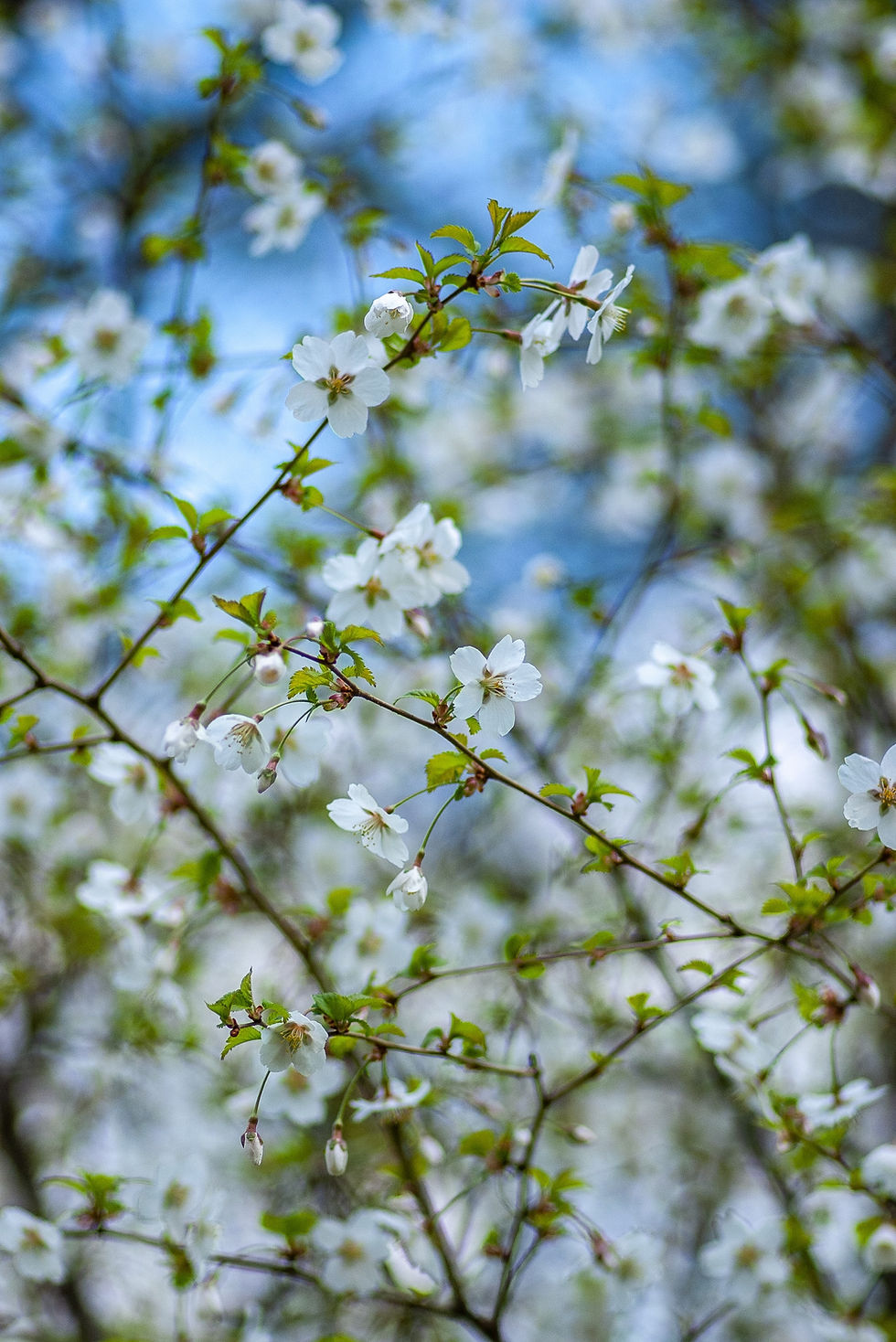
For me, one of the greatest pleasures of living in England is the changing of the seasons. Of them all, the transition from winter to spring is my favourite—the quiet, almost imperceptible shifts that unfold from week to week. The first tentative shoots begin to appear, soon giving way to a profusion of flowers that hint at the fruits of summer to come. Gradually, life unfurls into a rich, green cascade of abundance, gathering pace as April turns into May.
Only in recent years have I come to appreciate this richness on my doorstep for more than just its beauty. I’ve begun to learn about the health and medicinal benefits of many of our native plants—hawthorn, nettle, dandelion, primrose, and others besides.
After sampling a delicious rose and cherry blossom tea at a beautiful Japanese teahouse recently, I felt inspired to try creating my own home-grown ‘blossom’ tea. There is something wonderfully calming and quietly joyful about gathering, selecting, and drying your own ingredients, transforming them into a tea that is as visually stunning as it is pleasing to the palate.
You might like to try some of my suggestions, or simply experiment and create your own seasonal blends.
Spring Blossom Tea: Ingredients

Enough (washed and drained) blossom, flowers and tender spring greens to fill a small bowl. Try and select young, tender greens and new flowers without any signs of spoiling.
Some suggestions to try:
Dead nettle tops (these do not have a sting and white and purple flowering dead nettle are particularly lovely)
Stinging nettle tops
Hawthorn blossom and leaves
Cherry blossom
Primrose flowers
Dandelion flowers (yellow petals only)
Apple blossom
Spring Blossom Tea: Method
Carefully wash your foraged finds - making sure to get rid of any loose dirt or bugs. Pat gently with a clean tea towel or kitchen paper to remove excess water.
Arrange the blossom and leaves on a clean tea towel set over a baking tray or chopping board. Leave to dry at room temperature - this takes around 1 week.
Once dried, carefully scoop from the cloth and pour into a clean, dry jar. Secure with a lid and it will last for months.
To make one mug of tea, use 1-2 tablespoons of the mix steeped in 250ml hot water. Strain into a mug, sweeten with a little honey, if you like, sit back, relax and enjoy the taste of Spring!
If you'd like to book your next foraging adventure with me, then click on the info button below.


Comments